
When to Replace Your Tires: Mileage, Tire Sensors, and Valve Stem Repairs
Your tires are one of the most important parts of your vehicle when it comes to staying in control on Iowa roads. In Oelwein, changing weather, freezing temperatures, snow, ice, potholes, and road salt can all affect how quickly your tires wear and how well they perform.
That
means knowing when to replace your tires, how to recognize a tire sensor
problem, and why valve stem repairs matter can help you avoid unexpected
problems on the road.
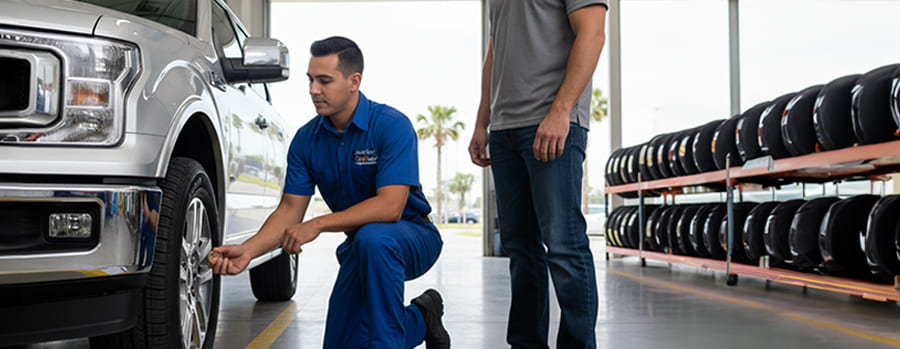
Whether
you're commuting around Oelwein, heading toward Waterloo, taking the family to
nearby towns, or traveling across Iowa during winter, properly maintained tires
can make a major difference in traction, handling, and safety.
At Birdnow
Motor Trade of Oelwein, drivers can get
professional help diagnosing tire wear, tire pressure problems, TPMS warnings,
and other tire-related concerns.
How to Know When It's Time to Replace Your
Tires
There
isn't one exact mileage number that applies to every tire. Tire life depends on
the tire itself, driving habits, road conditions, vehicle alignment,
maintenance, and age.
Some
tires may last 40,000 to 60,000 miles or more, while others may need
replacement sooner. Iowa's winter conditions and rough road surfaces can also
contribute to faster wear.
Instead
of relying on mileage alone, look for these warning signs.
1. Check
Your Tread Depth
Tread
depth plays a major role in maintaining traction, particularly on wet, snowy,
or slushy roads.
As tread
wears down, the tire becomes less effective at moving water and slush away from
the contact patch. That can reduce traction and increase the risk of losing
control.
·
Legal minimum tread depth: 2/32 of an inch in many situations
·
Consider replacing tires before they reach the legal limit: Especially if you regularly
drive in rain, snow, or other challenging conditions
·
Winter driving: Adequate tread depth is particularly important for maintaining traction
on snow and slush
How to
Check Your Tread
A tread
depth gauge is the most accurate way to measure tire tread.
You can
also perform the familiar penny test as a quick visual check. Insert a penny
into the tread with Lincoln's head facing downward. If you can see the top of
his head, the tread may be getting too shallow and the tire should be
professionally inspected.
For Iowa
drivers, however, don't wait until the tread reaches the legal minimum before
thinking about replacement. Tires with significantly worn tread can provide
less traction in challenging weather.
2. Look for Cracks, Bulges, and Other
Sidewall Damage
The
sidewall provides important structural support for your tire. Damage to this
area can be a serious safety concern.
Watch
for:
·
Cracks: May
indicate aging or deterioration of the rubber
·
Bulges or bubbles: Can indicate internal tire damage, sometimes caused by hitting potholes
or curbs
·
Cuts or punctures: May compromise the tire's structure
·
Visible cords: A sign of severe tire damage
Oelwein's
winter weather and freeze-thaw cycles can make road conditions unpredictable.
Hitting a pothole or road hazard can damage a tire even when the problem isn't
immediately obvious.
If you
notice a bulge, bubble, or significant sidewall damage, have the tire inspected
promptly.
3. Pay Attention to Uneven Tire Wear
Your
tires don't always wear evenly. If one part of the tread is wearing
significantly faster than another, there may be an underlying issue with your
vehicle.
Common
patterns include:
·
Center wear: Often associated with overinflation
·
Edge wear: Can
occur when tires are underinflated
·
One-sided wear: May indicate an alignment or suspension issue
·
Cupping or scalloping: Can be associated with wheel balance or suspension problems
Simply
replacing worn tires without addressing the cause could result in your new
tires wearing prematurely.
If you
notice unusual tread patterns, have the tire pressure, wheel alignment,
suspension, and wheel balance checked before installing a new set.
4. Don't Ignore Vibration, Pulling, or
Unusual Noise
Your
vehicle can sometimes tell you when something is wrong with its tires.
Pay
attention if you experience:
·
Steering wheel vibration
·
Rhythmic thumping or unusual road noise
·
Vehicle pulling to one side
·
A noticeable change in handling
·
Shaking that becomes more noticeable at certain speeds
These
symptoms can be caused by tire imbalance, uneven wear, wheel alignment
problems, wheel damage, or internal tire damage.
If your
vehicle starts behaving differently, getting it inspected early may help
prevent a relatively minor issue from becoming a larger repair.
5. Consider Tire Age, Not Just Mileage
A tire
can have plenty of tread remaining and still need attention because rubber
deteriorates with age.
As tires
age, they can become harder and more susceptible to cracking and other forms of
deterioration.
Check
the DOT identification number on the tire sidewall. The final four
digits indicate the week and year the tire was manufactured.
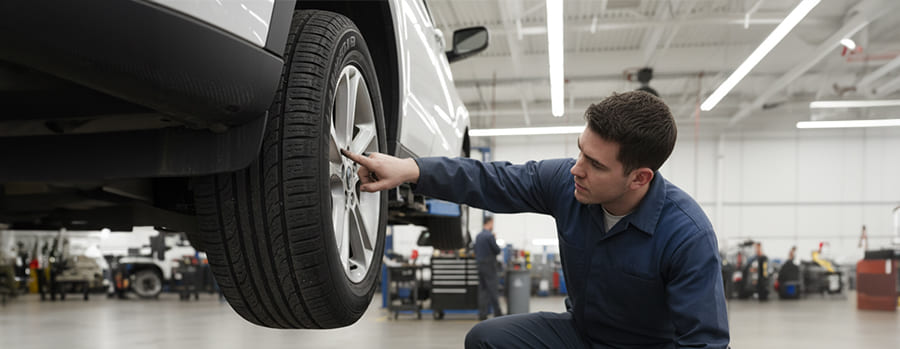
For
example, a code ending in 2524 indicates that the tire was manufactured
during the 25th week of 2024.
There
isn't one universal replacement age for every tire. Tire manufacturers can
provide different recommendations, so check your tire manufacturer's guidance
and have older tires inspected regularly.
If you
notice cracking, deterioration, or other signs of aging, don't rely on tread
depth alone to determine whether the tire is still safe.
How to Make Your Tires Last Longer
Replacing
tires can be a significant expense, but proper maintenance can help you get
more life out of your current set.
1. Check
Tire Pressure Regularly
Proper
inflation helps your tires wear more evenly and can improve handling and fuel
efficiency.
Check
your tire pressure when the tires are cold and follow the vehicle
manufacturer's recommended pressure, which is typically listed on the driver's
door-jamb label.
Don't
rely on the pressure printed on the tire sidewall as the vehicle's recommended
inflation pressure.
2.
Rotate Your Tires as Recommended
Regular
tire rotations can help distribute wear more evenly between the front and rear
tires.
The
appropriate rotation interval varies by vehicle and tire, so follow the
maintenance schedule recommended for your vehicle.
Regular
rotations are especially useful if you notice differences in tread wear between
individual tires.
3. Check
Your Alignment
Potholes,
curbs, and rough roads can affect wheel alignment.
If your
vehicle starts pulling to one side, the steering wheel isn't centered, or your
tires are developing uneven wear, an alignment inspection may be worthwhile.
Correcting
alignment problems can help protect a new set of tires from premature wear.
4.
Inspect Your Valve Stems
The
valve stem may be small, but it plays an important role in maintaining tire
pressure.
A
damaged, cracked, or deteriorated valve stem can allow air to escape slowly. In
some cases, replacing the valve stem may solve a persistent air-loss problem
without requiring replacement of an otherwise healthy tire.
During
tire service, have the valve stem inspected along with the tire and wheel.
5.
Respond to TPMS Warnings
Don't
ignore your tire pressure warning light.
A TPMS
warning can indicate that one or more tires are underinflated, while a flashing
or persistent warning may point to a sensor or system issue.
Driving
for extended periods with incorrect tire pressure can contribute to uneven wear
and affect handling.
What Your Tire Sensor Light Is Trying to Tell You
Your Tire
Pressure Monitoring System (TPMS) is designed to alert you when tire
pressure drops below the vehicle's recommended level.
But the
warning light doesn't always mean you need a new tire.
A TPMS
warning can be related to:
·
Low tire pressure
·
A slow tire leak
·
A damaged valve stem
·
A faulty sensor
·
A sensor with a depleted battery
·
Wheel or tire service that requires the system to be relearned or reset
If
you've inflated your tires to the recommended pressure but the warning remains,
the system should be properly diagnosed.
A
professional inspection can determine whether you're dealing with a tire
problem, a valve stem issue, or a TPMS sensor that needs attention.
Why the Valve Stem Deserves More Attention
Valve
stems are easy to overlook because they're such a small part of the wheel
assembly.
However,
a damaged valve stem can create a slow leak that forces you to repeatedly add
air to the same tire.
In Iowa,
vehicles also encounter significant seasonal changes. Cold temperatures, road
salt, moisture, and changing road conditions can all contribute to wear on
components around the wheel and tire.
If one
tire consistently loses pressure while the others remain properly inflated,
don't simply keep adding air. Have the tire, wheel, and valve stem inspected to
find the source of the leak.
A
relatively simple valve stem repair or replacement could help prevent continued
air loss and unnecessary tire wear.
Need Your
Tires Checked in Oelwein?
Whether
you're dealing with worn tread, a recurring TPMS warning, a slow leak, or a
damaged valve stem, don't wait until a tire problem leaves you stranded.
Our team
can help inspect your tires and identify problems that may affect their
performance, from uneven tread wear and air leaks to tire pressure and sensor
concerns.
Regular
tire inspections are a simple way to stay prepared for Iowa's changing road
conditions and get the most from your tires.
When you're unsure whether your tires need to be replaced, repaired, or simply inspected, having them professionally evaluated can give you a clearer answer before a small issue turns into a bigger problem.